Introduction
Buying your first car in India is a big milestone. It’s exciting, emotional, and honestly, a bit overwhelming.
Most first-time buyers spend weeks watching reviews, comparing models, and visiting showrooms. But despite all that effort, many still end up making mistakes that cost them money and peace of mind later.
Why does this happen?
Because first-time buyers often focus on:
- Price
- Features
- Looks
…and ignore:
- Real usage
- Long-term costs
- Practical ownership challenges
The result? Regret within months.
In this guide, I’ll walk you through the most common mistakes first-time buyers make in India — and how to avoid them with simple, practical thinking.
Understanding First-Time Buyer Psychology
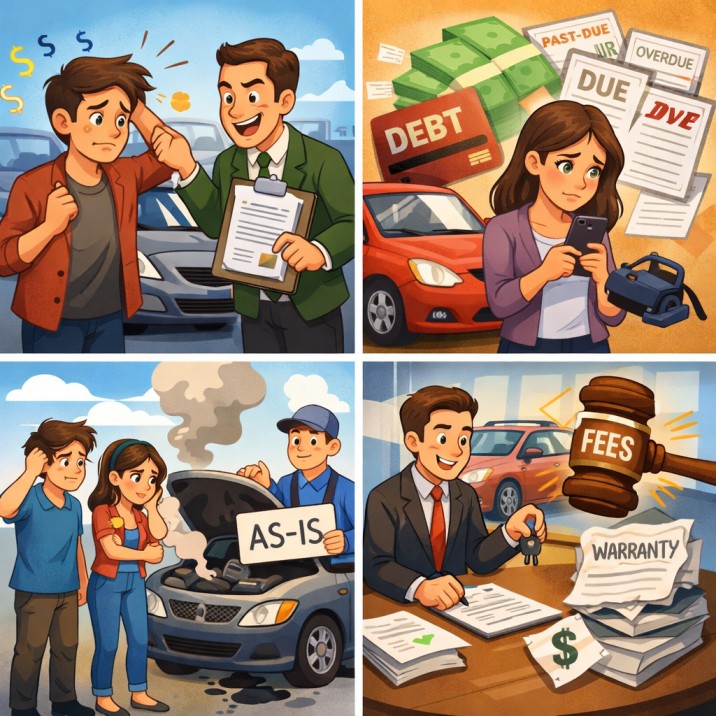
If this is your first car, your decisions are usually influenced by:
- Friends and family opinions
- Social media reviews
- Showroom experience
- Budget pressure
But here’s the problem — these don’t always reflect your actual needs.
For example:
- A friend may recommend a diesel SUV
- But your usage may be short city drives
That mismatch creates long-term problems.
If you want a complete understanding of the buying process, check our used car buying guide for 2025 (https://carinsighthub.com/the-complete-used-car-buying-guide-for-2025/).
Costly Mistakes First-Time Buyers Make
1. Choosing the Car Based on Looks or Trend
This is very common.
Buyers get influenced by:
- SUV trend
- Big screens
- Sunroof
Reality:
- Looks don’t matter after a few months
- Daily usability matters more
Example:
Buying a big SUV for city traffic → difficult parking and higher fuel cost
2. Ignoring Total Ownership Cost
Most buyers only calculate:
- Car price
- EMI
But ignore:
- Fuel cost
- Insurance
- Service cost
- Repairs
Real regret:
“EMI is manageable, but running cost is too high.”
You can understand this better in our car maintenance cost guide in India (https://carinsighthub.com/car-maintenance-cost-guide-india-2025-model-wise/).
3. Not Understanding Fuel Type (Petrol vs Diesel)
This mistake can cost lakhs over time.
- Petrol → better for low running
- Diesel → better for high running
Common mistake:
Buying diesel for short city drives
4. Choosing Wrong Transmission
Many first-time buyers get confused between:
- Manual
- Automatic
Mistake:
Buying manual without considering traffic
If you drive daily in city traffic, read our guide on automatic vs manual in traffic: the real winner to understand what suits you better.
5. Not Taking a Proper Test Drive
Most buyers:
- Drive for 10 minutes
- Drive on smooth roads
What they miss:
- Traffic behaviour
- Low-speed comfort
- Suspension on bad roads
6. Overstretching Budget
This happens often due to:
- Peer pressure
- “Just ₹50,000 more” thinking
Reality:
- Higher EMI stress
- Less financial flexibility
7. Ignoring Service Network
Even a good car becomes frustrating if:
- Service centres are far
- Spare parts are delayed
8. Falling for Dealer Pressure
Common tactics:
- “Offer valid only today”
- “Last piece available”
Reality:
- Offers come regularly
- Pressure is artificial
9. Buying Unnecessary Accessories
Dealers push:
- Chrome kits
- Seat covers
- Add-ons
Reality:
- Overpriced
- Not always useful
10. Skipping Research on Ownership Experience
Many buyers rely only on:
- YouTube reviews
- Showroom advice
What they should do:
- Talk to real owners
- Check long-term reviews
Key Benefits of Avoiding These Mistakes
- Save ₹50,000–₹2 lakh over time
- Better ownership experience
- Lower stress and regret
- Improved resale value
- Smarter financial decision
Step-by-Step Guide for First-Time Buyers
Step 1: Understand Your Usage
Ask:
- City or highway?
- Daily or occasional?
- Family or personal use?
Step 2: Set a Realistic Budget
Include:
- Car price
- Insurance
- Maintenance
Step 3: Choose Right Fuel and Transmission
- Low usage → Petrol
- High usage → Diesel
- Heavy traffic → Automatic
Step 4: Take a Proper Test Drive
- Drive in traffic
- Check comfort
- Test braking
Step 5: Compare Before Finalising
- Compare dealers
- Compare insurance
- Compare variants
Comparison Table: Smart Buyer vs First-Time Mistake
| Feature | Smart Buyer | First-Time Mistake |
|---|---|---|
| Focus | Usage | Looks |
| Budget | Practical | Stretched |
| Research | Deep | Limited |
| Test drive | Detailed | Quick |
| Decision | Logical | Emotional |
Real-Life Example (India Case Study)
Rohit from Chennai bought a premium hatchback.
Why:
- Good design
- Feature-loaded
After 1 year:
- High service cost
- Average mileage
- Not comfortable for long drives
His regret:
“I should have focused on usage, not features.”
Common Mistakes to Avoid
- Buying based on looks
- Ignoring long-term cost
- Choosing wrong fuel type
- Skipping proper test drive
- Trusting dealer blindly
You can also read our article on things every car owner should understand but don’t for deeper clarity:
Expert Tips (From Real Indian Buyers)
- Always prioritise usage over trends
- Don’t rush your decision
- Think 5 years ahead
- Keep ownership cost in mind
- Take multiple test drives
If you’re planning your purchase, go through our car buying guide that actually saves money in India (https://carinsighthub.com/read-this-before-buying-your-next-car-in-india-a-practical-guide-that-actually-saves-you-money/).
Pros and Cons of First-Time Buying Approach
| Pros | Cons |
|---|---|
| Exciting experience | Risk of mistakes |
| Learning opportunity | Lack of experience |
| Flexible choices | Emotional decisions |
| New ownership | Higher chances of regret |
Frequently Asked Questions (FAQs)
1. What is the biggest mistake first-time buyers make?
Choosing a car based on looks instead of usage.
2. Is automatic better for beginners?
Yes, especially in city traffic.
3. Should I buy petrol or diesel?
Depends on your daily running distance.
4. How important is test drive?
Very important — never skip it.
5. Can I negotiate car price?
Yes, especially on insurance and accessories.
6. Is it okay to stretch budget?
No, it can create financial pressure later.
7. How long should I plan to keep my first car?
Ideally 5–7 years.
Conclusion
Your first car is not just a purchase — it’s an experience that shapes your future decisions.
Most mistakes don’t happen because of lack of effort. They happen because buyers focus on the wrong priorities.
If you:
- Understand your usage
- Think long-term
- Avoid emotional decisions
You’ll not just buy your first car — you’ll make a smart, confident decision.
In India, where every rupee matters, buying smart is more important than buying fast.
References
- Government of India Automobile Portal: https://heavyindustries.gov.in
- NITI Aayog Mobility Reports: https://www.niti.gov.in
- SIAM Reports: https://www.siam.in
- Economic Times Auto: https://auto.economictimes.indiatimes.com
- Investopedia Automobile Industry Analysis: https://www.investopedia.com/articles/investing/090915/automobile-industry.asp
