
Introduction: How Vikram from Delhi Learned Car Basics for Better Maintenance
Vikram, a 35-year-old sales manager from Delhi, loved driving but often ignored his car’s health until breakdowns started costing him time and money. After attending a basic car maintenance workshop and reading about car parts and their functions, Vikram began understanding how his vehicle worked. He started taking timely care of key components, saving costly repairs and improving his car’s performance. This guide shares essential car parts explained simply, their roles, and maintenance tips every car owner in India should know to keep their vehicles running smoothly.
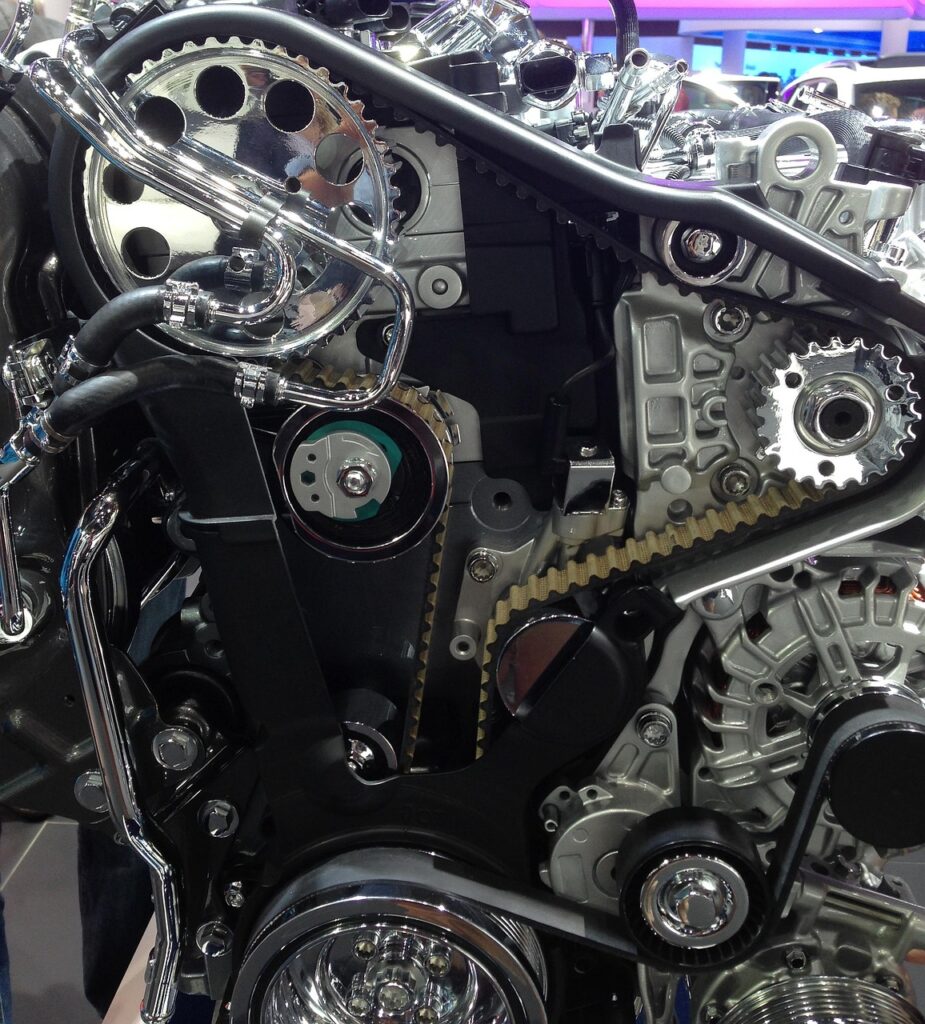
Key Car Parts, Their Functions, and Maintenance Needs
1. Engine
- Function: The heart of the car, converts fuel into mechanical power to move the vehicle.
- Maintenance: Regular oil changes (every 5,000-10,000 km), timely coolant replacement, and air filter cleaning ensure engine longevity.
2. Transmission
- Function: Transfers power from the engine to the wheels, allowing speed and torque adjustments. Includes manual gearbox, CVT, or automatic.
- Maintenance: Regular transmission fluid checks and servicing prolong smooth gear shifts and avoid damage.
3. Battery
- Function: Provides electrical energy to start the engine and powers electronics when the engine is off.
- Maintenance: Keep terminals clean, avoid extreme temperatures, check charge levels, and replace battery every 3-5 years.
4. Brakes
- Function: Slow down or stop the car via hydraulic pressure, using discs/drums and pads/shoes.
- Maintenance: Inspect brake pads every 10,000 km, check brake fluid levels, and replace worn parts to ensure safety.
5. Suspension System
- Function: Absorbs shocks from the road, providing smooth ride and vehicle control.
- Maintenance: Inspect shock absorbers and springs yearly, replace damaged components, and align wheels for stable handling.
6. Tires
- Function: Contact point with road, provides grip and absorbs minor shocks.
- Maintenance: Maintain proper air pressure, rotate tires every 10,000 km, monitor tread depth, and replace when worn out.
7. Radiator and Cooling System
- Function: Maintains engine temperature preventing overheating using coolant circulation.
- Maintenance: Check coolant levels regularly, flush system as recommended (every 2 years), and inspect hoses for leaks.
8. Exhaust System
- Function: Releases and treats gases produced by engine combustion to reduce pollution and noise.
- Maintenance: Inspect exhaust pipes for damage, avoid driving over debris, and replace mufflers or catalytic converters as needed.
9. Fuel System
- Function: Stores and delivers fuel to engine in the right quantity and pressure. Includes fuel tank, pump, filter, and injectors.
- Maintenance: Use quality fuel, replace fuel filter as per service schedule, keep fuel injectors clean to maintain efficiency.
10. Electrical System
- Function: Powers lights, infotainment, sensors, and vehicle controls along with the battery and alternator.
- Maintenance: Check fuses, bulbs, and wiring periodically; maintain battery health and alternator charging system.
Table: Car Parts, Function, Common Maintenance Frequency
| Car Part | Function | Maintenance Frequency |
|---|---|---|
| Engine | Power source | Oil change every 5,000-10,000 km |
| Transmission | Transfers power | Fluid check/service yearly |
| Battery | Electrical power source | Check bi-annually, replace 3–5 years |
| Brakes | Vehicle stopping mechanism | Pad inspection every 10,000 km |
| Suspension | Shock absorption | Inspect yearly |
| Tires | Road grip | Rotate/Check every 10,000 km |
| Radiator/Cooling | Engine temperature control | Coolant check 6 months, flush 2 years |
| Exhaust | Gas emission control | Inspect yearly |
| Fuel System | Fuel storage and delivery | Filter change every 20,000 km |
| Electrical System | Powers car electronics | Check annually |
Real-Life Tip for Car Owners: Vikram’s Maintenance Routine
Vikram schedules service checks every 10,000 km, focusing on oil and brake inspections. He gradually noticed reduced engine noise, smoother brakes, and better mileage. Regular tire rotation and checking tire pressure before monsoons helped avoid accidents on slippery roads. Simple maintenance made his car safer and saved him from expensive repairs.
FAQs: Car Parts and Their Maintenance
Q1: How often should I get my car serviced?
A: Usually every 10,000 km or 6 months; check your owner’s manual for specific intervals.
Q2: Can I check my car battery health myself?
A: Yes, look for corrosion on terminals, slow starts, and test voltage with a multimeter.
Q3: How to know when brake pads need replacement?
A: Squeaking sounds, longer stopping distance, or visible thin pads during inspection.
Q4: Why is regular oil change important for engine health?
A: Oil lubricates engine parts, reduces friction, and removes heat and debris, preventing damage.
Q5: Can neglected maintenance void my car warranty?
A: Yes, manufacturers require regular servicing to keep warranties valid.
Conclusion: Knowing Car Parts Enhances Ownership Experience and Saves Money
Vikram’s journey shows that understanding key car parts and their routine maintenance helps Indian drivers keep their cars in top condition. Simple, timely care leads to safer driving, better fuel efficiency, and fewer costly repairs — making car ownership a pleasant and economical experience.
