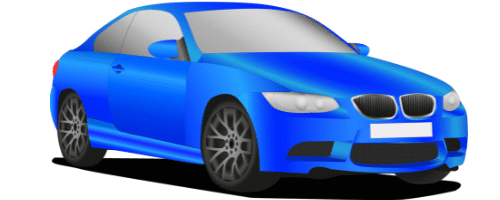
Three months after booking his car, my neighbor Ravi still parks it slightly away from the tea shop near our apartment gate. Not because he’s protective. Because somebody there keeps reminding him he overpaid by almost ₹1.4 lakh.
Every evening, same conversation.
“Arrey bhai, December mein lete toh aur sasta milta.”
At first Ravi laughed it off. Then he stopped responding. Then one day while wiping dust off the bonnet, he quietly asked me something that sounded less like a car question and more like regret.
“How do people know the right time to buy?”
That question stayed in my head longer than it should have.
Because in India, buying a car is rarely just buying a car anymore. It’s timing. Festival schemes. Dealer desperation. Stock clearance. Finance targets. Registration-year anxiety. Waiting periods. Petrol prices. Family pressure. Random YouTube “deal experts” screaming about discounts.
And somehow, despite all that noise, most people still buy at the wrong time.
Not because they’re careless. Because dealerships are very good at making urgency feel real.
I learned this slowly over the years. First through friends. Then through uncomfortable showroom visits. Then through one particularly frustrating experience involving a diesel hatchback, a March-end sales push, and a salesman who kept disappearing “to talk to manager sir.”
The weird thing is… the best discounts are usually available exactly when buyers feel emotionally uncertain.
Not when excitement is high.
That’s the trap.
I still remember walking into a dealership in Chennai around mid-December a few years ago. The showroom looked exhausted. Sales staff were unusually attentive. Nobody was pretending to be busy. Cars that normally had “waiting period sir” suddenly became “immediate delivery possible.”
That alone tells you something.
In India, car pricing is emotional theatre.
During festive months, buyers feel optimistic. Families push decisions. Bonuses arrive. Social pressure increases. Showrooms decorate everything with balloons and rangoli. But discounts during peak emotional buying periods are often weaker than people think.
Real panic begins later.
Around the last two weeks of December.
That’s when unsold inventory starts becoming a problem.
A car manufactured in 2025 but sold in January 2026 immediately feels “older” in resale conversations, even if it’s mechanically identical. Indian buyers obsess over manufacturing year. Dealers know this. So suddenly their tone changes.
“Sir, we can discuss additional exchange bonus.”
“Sir, company support available.”
“Sir, one complimentary accessory package possible.”
Translation: this stock needs to leave.
[IMAGE: flat illustration style]
The first time I noticed how aggressive this gets was while helping my cousin buy a compact SUV. We had visited the same dealership in October and again in December.
October experience:
- Barely any negotiation
- Waiting period drama
- Accessories pushed aggressively
- Insurance quote inflated beyond logic
December experience:
- Flat cash discount added immediately
- Free basic accessories
- Faster delivery
- Suddenly “manager approval” came within seven minutes
Same car. Same dealership. Same city.
Different pressure.
And honestly, Indian buyers underestimate how much dealerships operate on monthly and quarterly targets. The last week of a month can completely change negotiations.
Especially March.
March is strange in the Indian automobile market. Financial year closing creates this weird combination of desperation and chaos. Dealers want numbers. Manufacturers want dispatches. Sales teams want incentives. Inventory movement suddenly matters more than showroom ego.
But there’s a catch people ignore.
March discounts are not automatically “best.”
Sometimes the discount exists because demand is weak for that specific variant, fuel type, or color. Sometimes you’re getting an older stock vehicle sitting too long in the yard under dust and heat.
A friend in Bengaluru got a massive discount on a sedan during March-end. Nearly ₹1.8 lakh combined benefits.
Sounds great until you hear the full story.
The battery failed within six months.
Tyres had visible hardening cracks earlier than expected.
The car had been manufactured almost nine months before delivery.
Nobody explained that clearly during purchase.
Technically nothing illegal happened. But practically? The car had aged sitting still.
That’s another reality buyers don’t discuss enough.
Maximum discount and smartest purchase are not always the same thing.
Most Indian buyers focus only on ex-showroom discount numbers. Big mistake.
Real savings come from understanding where dealerships quietly make money back.
Insurance.
Accessories.
Handling charges disguised under creative names.
Loan commissions.
Extended warranty pushing.
Fastag bundles nobody asked for.
Once during negotiations for a mid-size SUV, I asked a salesman why the insurance premium was ₹78,000 when online estimates were much lower.
He smiled nervously.
“Sir, this is premium coverage.”
I checked. It wasn’t.
After thirty awkward minutes and two fake phone calls to “backend team,” the premium magically dropped by ₹22,000.
Just like that.
No explanation.
This is why buying timing alone is incomplete advice. You also need negotiation timing.
The best time to buy a car in India is usually when:
- Dealers need targets
- Inventory is aging
- Buyer demand temporarily cools
- New model updates are expected
- Year-end stock becomes uncomfortable to hold
That generally means:
- Late December
- End of March
- Sometimes late June or September quarter-end
But even this changes by segment.
Popular SUVs with six-month waiting periods won’t suddenly get huge discounts just because it’s December. Dealers know demand exists. They stay stubborn.
Meanwhile sedans, premium hatchbacks, or slower-selling variants often see deeper negotiation room.
Especially automatic petrol trims sitting unsold.
Another thing nobody tells first-time buyers properly:
Never walk into a dealership looking emotionally committed.
Indian sales teams detect excitement immediately.
The moment you say:
“My family loved this color.”
or
“We want delivery before Pongal.”
Negotiation power weakens.
I’ve literally seen sales executives stop offering discounts the moment urgency becomes visible.
One dealership employee admitted this casually while smoking outside near the service lane.
“Sir, serious customer and emotional customer different.”
That sentence explained half the Indian car market.
[IMAGE: flat illustration style]
There’s also the resale paranoia issue.
A lot of buyers avoid December purchases because registration will show previous year. But financially, this fear sometimes becomes irrational.
Suppose:
- December discount saves ₹1.5 lakh
- Future resale difference after 5 years becomes maybe ₹40k–₹60k
You still likely came out ahead.
But emotionally, people hate hearing:
“2025 model ah?”
Even if purchased just ten days earlier.
Indian buyers care deeply about manufacturing year optics. Sometimes more than actual ownership cost.
And dealerships manipulate this fear cleverly.
Fuel prices have quietly changed car buying timing too.
When petrol crossed psychologically painful levels in many cities, buyers became more cautious. Large SUVs started sitting longer in some markets. Discounts improved selectively.
You can actually track buyer fear through dealership behavior.
When fuel costs rise sharply:
- Mileage conversations increase
- Buyers postpone decisions
- Finance EMI hesitation grows
- Dealers become softer on pricing
This is especially visible in urban areas where office commuting patterns keep changing.
A showroom employee in Velachery once told me weekend footfall had dropped heavily during one fuel-price spike. Families still visited. Fewer booked.
That gap creates opportunity for patient buyers.
Not instantly. But after inventory pressure builds.
Now here’s where things get uncomfortable.
Most online “best time to buy car” advice is recycled nonsense.
Every article repeats:
- Buy during festivals
- Buy year-end
- Compare dealers
Fine. But reality is messier.
Some dealerships intentionally reduce discount transparency during festival hype because buyers arrive emotionally ready.
The word “offer” itself becomes vague.
Free accessories worth ₹55,000?
Usually inflated MRP fantasy.
Exchange bonus?
Conditional.
Corporate discount?
Selective.
Loyalty bonus?
Sometimes impossible to combine.
One relative nearly booked a car believing total benefits were ₹1.2 lakh. Actual effective savings after removing inflated accessory valuations came closer to ₹58,000.
Still decent. But not what the banners suggested.
Indian dealerships love arithmetic theatre.
There’s another timing trick experienced buyers use quietly.
They visit dealerships near closing hours at month-end.
Sounds silly. But the atmosphere changes completely.
Staff become more direct.
Managers suddenly appear.
Conversations become less scripted.
One of my most revealing dealership interactions happened around 8:15 pm on March 30th. The salesman looked mentally finished. He stopped using polished sales lines halfway through.
Finally he just said:
“Sir tell honestly, if I match this price today will you book?”
That honesty almost never appears during first-week showroom visits.
Because targets change human behavior.
One thing I’ve learned watching Indian car buyers:
People obsess over saving ₹10,000 on purchase but ignore ownership timing entirely.
Buying before a major facelift announcement can hurt resale.
Buying a diesel for low running without calculating actual monthly usage becomes wasteful.
Buying during artificial waiting-period hype sometimes destroys negotiation leverage.
And rushing because relatives are pressuring you before Diwali is financially dangerous.
A car purchase in India is emotional enough already. Timing mistakes make it worse.
Especially with rising insurance costs, higher EMIs, and unpredictable fuel expenses.
Let’s do realistic math.
Suppose two buyers purchase the same SUV:
- Buyer A purchases during peak festive demand
- Buyer B purchases during year-end inventory clearance
Difference:
- Cash discount: ₹70,000
- Insurance negotiation: ₹25,000
- Accessories avoided: ₹18,000
- Better finance rate: saves around ₹30,000 long term
Total effective gap:
Around ₹1.4 lakh.
That’s not small anymore.
That’s multiple years of fuel for some families.
Or six months of EMI.
Or the difference between settling for lower variant versus getting safety features you actually wanted.
[IMAGE: flat illustration style]
Still, there’s one final thing people should understand.
Waiting endlessly for the “perfect” deal becomes its own problem.
Some buyers spend one full year chasing rumors of upcoming discounts while prices quietly increase twice.
Then insurance costs rise.
Then RTO charges change.
Then facelift pricing jumps.
Then financing rates shift.
Suddenly the “waiting strategy” collapses.
So the smartest buyers aren’t necessarily the ones getting absolute maximum discount.
They’re the ones understanding timing without becoming obsessed by it.
If you ask me honestly, the best time to buy a car in India is when three things align together:
- Dealer pressure is high
- Your finances are stable
- You are emotionally calm enough to negotiate without urgency
That last part matters more than people admit.
Because dealerships sell pressure before they sell cars.
And the buyers who save the most usually look slightly detached. Slightly willing to walk away. Slightly difficult to convince.
Not rude.
Just patient.
The strange irony is this:
the less desperately you want the car inside the showroom, the better the deal usually becomes.
And Indian dealerships understand desperation instantly.
FAQs
1. Which month gives the highest car discounts in India?
Usually December and March offer the strongest discounts because dealerships try clearing inventory and achieving yearly or financial-year sales targets.
2. Is buying a previous-year manufactured car a bad idea?
Not always. If the discount is significant and the car hasn’t been sitting poorly maintained for too long, it can still be financially smarter than buying a newer manufacturing year at full price.
3. Are festival offers actually good?
Sometimes, but many festival offers are inflated through accessory pricing or conditional bonuses. Buyers should calculate actual effective savings carefully.
4. Can negotiating insurance really reduce car cost?
Yes. Many dealership insurance quotes include heavy margins. Comparing outside insurance prices can sometimes save ₹15,000–₹40,000 depending on the car segment.
5. Should buyers wait for year-end discounts or buy immediately?
Depends on inventory, urgency, and possible price hikes. Waiting makes sense only if discounts are likely to outweigh future increases in price, insurance, or financing costs.
