Get a comprehensive explanation of car brakes and suspension systems, covering disc and drum brakes, ABS, suspension types, and maintenance. Learn from real-life stories, technical breakdowns, and expert advice for safety and better driving in India.
Understanding Car Brakes and Suspension: A Complete Guide with Real-Life Stories
Introduction
Most car owners in India only think about brakes when they hear a screeching sound. Suspension? That usually comes to mind after a loud “thud” on a speed breaker or when the car starts feeling uncomfortable on rough roads.
But here’s the reality — your brakes and suspension are directly responsible for your safety. Not the touchscreen. Not the engine power. Not even airbags alone. If brakes fail or suspension gives up at high speed, things can go wrong very quickly.
In Indian conditions — potholes, sudden speed breakers, waterlogged roads, heavy traffic — these systems work harder than we realise. This guide explains how brakes and suspension actually work, what problems to watch for, and real-life practical insights that can save you money and stress in 2025.
How Car Brakes Actually Work (In Simple Terms)
When you press the brake pedal:
- Brake fluid transfers pressure.
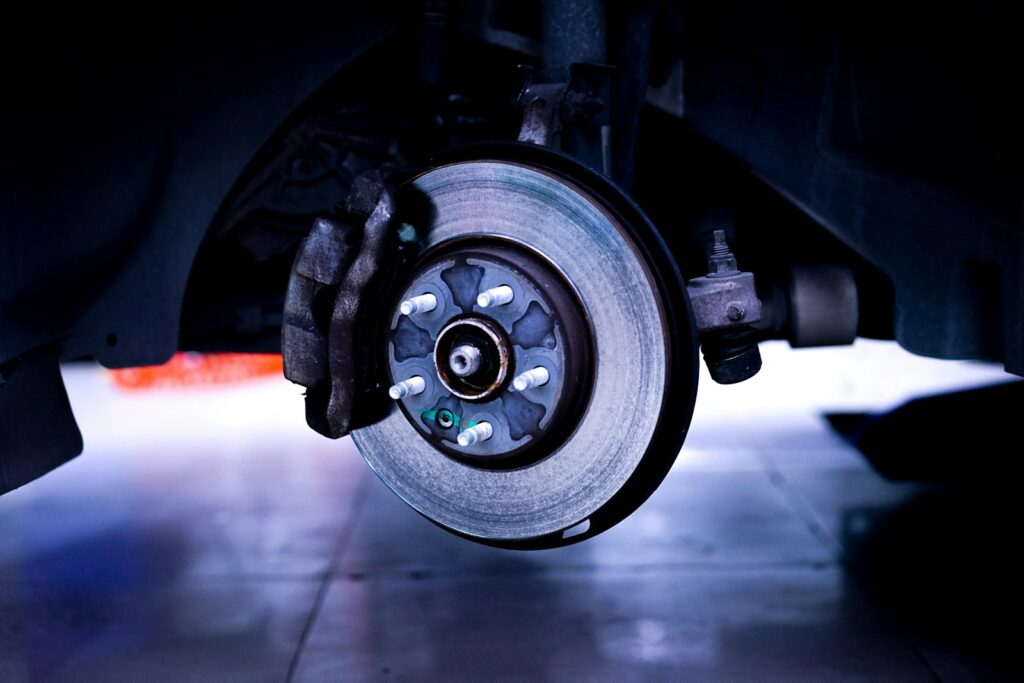
- Brake pads press against a rotating disc (in most modern cars).
- Friction slows down the wheel.
- The car stops.
That’s the simple version.
Most Indian cars today come with:
- Front disc brakes
- Rear drum or disc brakes
- ABS (Anti-lock Braking System)
ABS prevents wheels from locking during sudden braking, especially useful in rain or panic stops.
Real Story: The Ignored Brake Noise
A car owner from Pune kept hearing a light squeaking sound for weeks. He assumed it was normal. Eventually, the brake pads wore out completely and damaged the brake discs. What could have been a ₹3,000 pad replacement became a ₹15,000 repair bill.
Lesson? Brake noise is never “normal.” It’s an early warning.
Common Brake Problems in India
1. Squeaking or Screeching Sound
Usually worn-out brake pads.
2. Vibrations While Braking
Warped brake discs or uneven wear.
3. Soft Brake Pedal
Possible air in brake lines or low brake fluid.
4. Car Pulling to One Side
Uneven brake pressure or suspension issue.
If your car pulls sideways during braking, don’t ignore it. It could be linked to alignment or suspension imbalance.
Brake Maintenance Tips for Indian Drivers
- Replace brake pads every 25,000–40,000 km (depends on driving style).
- Check brake fluid every service.
- Avoid riding the brakes in traffic.
- Don’t ignore dashboard warning lights.
- Slow down before potholes, not during.
For overall upkeep habits, following a proper car maintenance checklist monthly yearly guide can help you stay ahead of issues.
Understanding Car Suspension
Now let’s talk about suspension — the most misunderstood part of a car.
Suspension absorbs shocks from the road and keeps your tyres connected to the surface. It ensures comfort, stability, and control.
Main components include:
- Shock absorbers
- Springs
- Control arms
- Bushings
Without suspension, every pothole would feel like a hammer hit.
Real Story: Highway Instability
A Delhi-based driver complained that his car felt unstable at 100 km/h. Steering felt light and slightly shaky. The issue wasn’t tyres — it was worn-out shock absorbers.
Once replaced, the car felt stable again.
Suspension doesn’t just affect comfort. It affects control.
Signs Your Suspension Needs Attention
1. Excessive Bouncing
Push down on the bonnet and release. If it bounces more than twice, shocks may be weak.
2. Uneven Tyre Wear
Often linked to poor alignment or worn suspension.
3. Clunking Noise on Speed Breakers
Could be worn bushings or link rods.
4. Car Dips Forward While Braking
Front suspension may be weak.
Why Indian Roads Damage Suspension Faster
Let’s be honest. Indian roads can be unpredictable.
- Sudden unmarked speed breakers
- Deep potholes during monsoon
- Broken rural roads
- Overloaded vehicles
Frequent rough-road driving shortens suspension life significantly.
If you regularly drive during rainy season, it’s smart to follow a proper monsoon car care checklist for Indian roads full 2025 guide to prevent damage.
How Brakes and Suspension Work Together
Many people don’t realise this connection.
If suspension is weak:
- Braking distance increases
- Tyres lose grip
- Car becomes unstable
If brakes are weak:
- Suspension dips heavily
- Control reduces during sudden stops
Both systems depend on each other for safe handling.
Practical Tips to Increase Lifespan
For Brakes:
- Avoid sudden aggressive braking.
- Maintain safe following distance.
- Don’t overload your vehicle.
- Use engine braking on highways when possible.
For Suspension:
- Slow down before potholes.
- Don’t hit speed breakers at high speed.
- Keep tyres properly inflated.
- Avoid excessive roof luggage.
Driving style matters more than brand.
Cost of Repairs in 2025 (India Estimate)
- Brake pad replacement: ₹2,500–₹6,000
- Brake disc replacement: ₹6,000–₹20,000
- Shock absorber replacement (set): ₹8,000–₹25,000
- Suspension bush kit: ₹3,000–₹10,000
Prices vary by segment, but ignoring small issues always increases total cost.
When Should You Visit a Mechanic Immediately?
- Brake warning light stays on
- Grinding metal sound while braking
- Steering feels loose at high speed
- Car tilts noticeably on one side
- Sudden increase in braking distance
Safety systems are not areas where you experiment or delay.
Final Thoughts
Brakes and suspension are not glamorous car parts. They don’t add horsepower. They don’t improve mileage directly. But they protect you every single time you drive.
In 2025, cars are becoming more advanced, but Indian road conditions remain challenging. Preventive care and attentive driving can extend the life of these systems significantly.
Listen to your car. Strange sounds, unusual vibrations, pulling steering — these are early warnings.
Fix small problems early. It always costs less.
Safe driving is not about driving fast. It’s about stopping safely and staying in control.
FAQs
1. How often should brake pads be replaced in India?
Most brake pads last between 25,000 and 40,000 km. However, heavy city traffic driving may reduce lifespan. Always inspect during regular service.
2. Can I drive with slightly worn suspension?
You can, but it’s not advisable for long. Worn suspension increases tyre wear, reduces braking efficiency, and affects stability at higher speeds.
3. Why does my car make noise only when going over speed breakers?
This usually indicates worn suspension bushings, link rods, or shock absorbers. It should be inspected before the damage spreads.
4. Does ABS reduce stopping distance?
ABS helps maintain steering control during emergency braking. On dry roads, stopping distance may be similar, but on wet or slippery roads, ABS significantly improves safety by preventing wheel lock.
Taking care of brakes and suspension is not optional in India. It’s essential. Regular inspection, sensible driving, and early repairs can prevent major expenses — and more importantly, protect lives.
