
Understanding the Importance of Battery Care
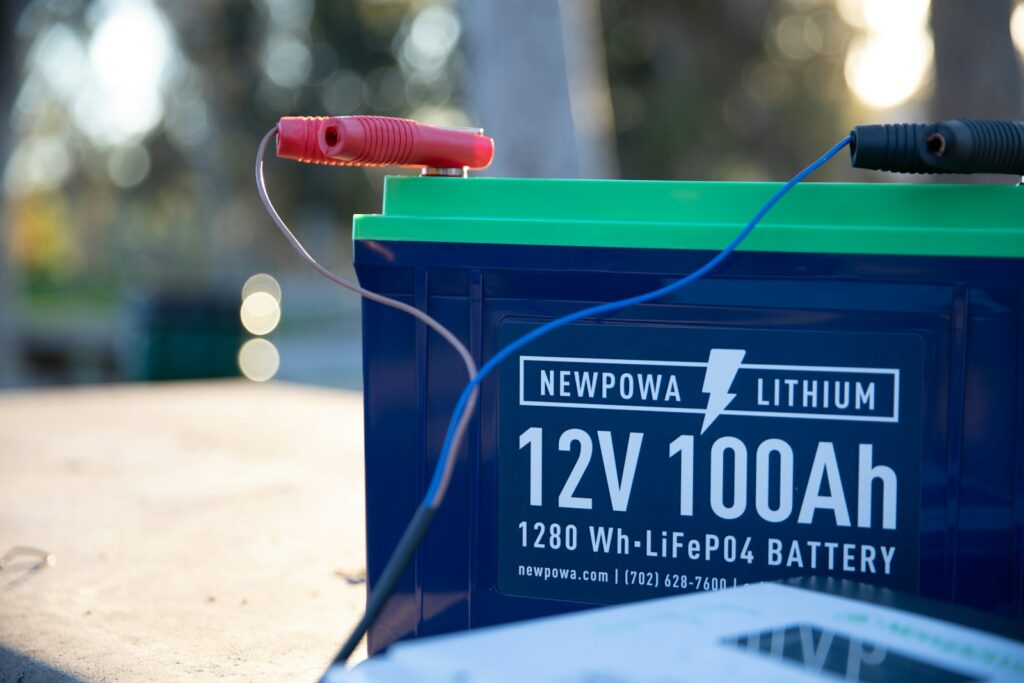
Car batteries provide the electrical power needed to start your engine and run the vehicle’s electronic components. A failed battery can leave you stranded, which is frustrating and disruptive. The average lifespan of a car battery in India ranges roughly from 3 to 5 years, influenced by heat, usage patterns, and maintenance practices.
Good battery care not only ensures efficient starts and electrical performance but also protects your vehicle’s charging system. Unlike other car components, batteries suffer gradual capacity loss, making preventive care essential.
1. Regular Inspection and Testing
Schedule a battery inspection every six months or at regular maintenance intervals. Use a multimeter to measure voltage (should be above 12.4 volts when the engine is off) or have a professional perform a battery health test, which evaluates charging ability and capacity.
Detecting early signs of battery decline—such as slow starts or dimming lights—helps avoid sudden failure.
2. Keep Battery Terminals Clean and Corrosion-Free
Corrosion buildup on terminals impedes the electrical connection, causing hard starts and draining the battery. Clean terminals using a mixture of baking soda and water with a toothbrush or wire brush.
Apply a thin layer of petroleum jelly or specialized protective spray on terminals after cleaning to prevent corrosion recurrence.
3. Maintain Proper Battery Water Levels (For Non-Sealed Batteries)
Some conventional batteries require distilled water topping. Check water levels every 2-3 months, especially during Indian summers when evaporation is high.
Never use tap water due to mineral deposits that can damage internal plates. Use only distilled or deionized water.
4. Avoid Frequent Short Trips
Short trips prevent the alternator from fully recharging the battery, leading to sulfation and reducing battery capacity over time. Combining errands into longer trips or occasionally driving extended distances helps maintain a full charge cycle.
5. Turn Off Electrical Accessories When the Engine is Off
Avoid running music systems, lights, air conditioning, or phone chargers when the engine is off, as this draws power from the battery directly and speeds depletion.
Double-check all lights, including interior and glove box lights, are off before exiting the vehicle.
6. Ensure the Battery is Securely Mounted
Vibrations from bumpy Indian roads can loosen battery mounts causing internal damage. Verify that clamps and fasteners are tight and the battery is firmly seated in its tray.
If you hear rattling noises under the hood, check for loose battery mounts immediately.
7. Protect the Battery from Extreme Heat and Cold
Indian temperature extremes pose a risk to battery life. Park your car in shaded or covered spaces, especially during harsh summers, to prevent fluid evaporation and overheating.
In winters, park in safe areas to avoid freezing conditions that impair battery performance.
8. Use Smart Charging Practices
Avoid frequent full discharges and don’t constantly charge your battery to 100% in electric vehicles or hybrids, as it stresses battery cells.
For conventional vehicles, ensure the alternator and voltage regulator are functioning properly. If the car is unused for long durations, consider using a battery maintainer or trickle charger to keep it charged without overcharging.
9. Upgrade to High-Quality Batteries
Invest in branded batteries with longer warranties and proven reliability like Amaron, Exide, or SF Sonic. These batteries come with advanced technology improving durability and resistance to harsh Indian conditions.
Though pricier upfront, premium batteries provide better value due to longer life and fewer failures.
10. Periodic Professional Servicing
Integrate battery checks and maintenance within regular vehicle service routines. Mechanics can test cranking power, charge acceptance, and perform cleaning or adjustments as needed.
Address any electrical system faults early to protect the battery from excess strain.
Summary Table: Car Battery Care Tips for 2025
| Tip Number | Practice | Key Benefit |
|---|---|---|
| 1 | Regular Inspection & Testing | Early detection, preventing sudden failure |
| 2 | Clean Terminals | Ensure strong electrical connectivity |
| 3 | Maintain Proper Water Levels | Prevent damage from mineral deposits |
| 4 | Avoid Frequent Short Trips | Full charging cycles for battery health |
| 5 | Turn Off Electrical Accessories | Prevent unnecessary battery drain |
| 6 | Secure Battery Mount | Reduce vibration damage |
| 7 | Shield from Extreme Temperatures | Protect from fluid evaporation & freezing |
| 8 | Smart Charging | Preserve battery chemistry |
| 9 | Use Quality Brand Batteries | Longevity and reliability |
| 10 | Professional Servicing | Comprehensive care and troubleshooting |
Additional Tips Specific to Indian Drivers
- Regularly monitor dashboard battery warning lights.
- Use insulated battery covers to moderate temperature impact.
- Know your battery type (lead-acid vs. AGM) for tailored maintenance.
- Plan battery replacement proactively before signs of failure.
Conclusion
Car battery lifespan depends largely on user habits, preventative care, and environment. By adopting these ten expert-recommended strategies, Indian drivers in 2025 can extend battery life, boost reliability, and avoid inconvenient breakdowns. Investing time in battery maintenance not only saves money but also contributes to vehicle safety and performance.
For further details, deep dives, and expert product reviews, visit Car Insight Hub.
External Resources and References
- 7 tips to extend the life of your car battery – Amaron: https://www.amaron.com/blog/7-tips-extend-life-your-car-battery
- Car Battery Maintenance Tips to Avoid Breakdowns – neodrift: https://www.neodrift.in/blogs/neodrifts-guide/car-battery-maintenance-tips-to-avoid-breakdowns
- How to Maintain Your Car Battery for Longer Life – Shriram GI: https://www.shriramgi.com/article/how-to-maintain-your-car-battery-for-longer-life
- How Long Does a Car Battery Last? – Nationwide: https://blog.nationwide.com/vehicle/vehicle-maintenance/extend-car-battery-life/
- Battery Maintenance Tips – Exide Care: https://www.exidecare.com/battery-care/battery-maintenance
From my own personal experience
“I’ve personally noticed this while using my own car regularly in heavy city traffic. There was a time when I delayed a basic service by a few thousand kilometres, assuming it wouldn’t make much difference. Within weeks, the engine felt slightly rough and fuel efficiency dropped more than expected. A similar situation happened with a friend’s car as well, which clearly shows how small maintenance delays can impact long-term performance.”
References
- Society of Indian Automobile Manufacturers (SIAM)
- NITI Aayog Mobility Reports
- Economic Times Auto
- Government of India EV Portal (e-Amrit)
- Investopedia – Automobile Industry
Disclaimer: This article is published for general informational purposes based on research, observations, and owner experiences. It should not be considered professional, technical, or legal advice. Vehicle specifications, costs, and procedures may vary by model, location, and time. Readers are advised to verify details with official sources or qualified professionals before making decisions.
