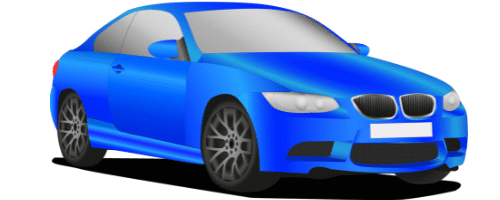
Choosing the right type of car in 2025 can fundamentally shape the driving experience, ownership costs, and practicality for individual lifestyles. Hatchbacks, sedans, and SUVs each bring unique advantages and drawbacks, making it essential to align vehicle choice with personal needs such as space, budget, fuel efficiency, comfort, and usage. This detailed 2000-word guide breaks down the key differences, benefits, and considerations for hatchbacks, sedans, and SUVs, helping car buyers on carinsighthub.com make an informed decision.
Overview of Car Types: Hatchback, Sedan, and SUV

Before diving into a deep comparison, it helps to understand what defines each car category:
- Hatchback: Compact cars characterized by a rear door that opens upwards, integrating cargo and passenger compartments. Known for agility and efficiency.
- Sedan: Mid-sized passenger cars with a distinct trunk separated from the cabin. Popular for balanced comfort and style.
- SUV (Sports Utility Vehicle): Larger vehicles offering higher ground clearance, spacious interiors, and versatile performance on various terrains.
1. Size and Space
Hatchbacks
Hatchbacks are the most compact among the three, with a smaller footprint designed for urban convenience. Typical seating is for 4-5 passengers. The flexible rear hatch door and foldable rear seats provide expandable cargo space, making them versatile despite their size limits. However, rear passenger legroom and headroom can be restricted.
Sedans
Sedans are longer and have a traditional 3-box design: engine compartment, passenger cabin, and separate trunk. They generally seat 4-5 comfortably with more legroom, especially for rear passengers. The trunk space is secure but less flexible since it cannot expand with fold-down seats. Sedans strike a balance between size and spaciousness.
SUVs
SUVs are the largest in size with more headroom and legroom, often accommodating 5-7 passengers depending on the model. Their vertical design provides ample cargo space, often with foldable rear seats for varying luggage needs. High ground clearance allows SUVs to navigate rough terrains and potholes easily.
2. Fuel Efficiency and Running Costs
| Car Type | Average Mileage (km/l) | Notes |
|---|---|---|
| Hatchback | 18-24 | Most fuel-efficient, smaller engines, light body |
| Sedan | 14-20 | Moderately fuel-efficient, bigger body than hatchbacks |
| SUV | 10-18 | Least fuel-efficient, heavier and powerful engines |
Hatchbacks generally offer the best mileage due to their lightweight and compact engine sizes, making them ideal for city driving. Sedans provide a middle ground with a reasonably efficient petrol or diesel engine and are suitable for both city and occasional highway driving. SUVs, being heavier and often with larger engines, consume more fuel, leading to higher running costs over time.
3. Performance and Handling
- Hatchbacks: Agile and nimble, hatchbacks excel in city traffic and tight parking spaces. Their light weight allows quick turns and responsive driving but limits power for highway driving.
- Sedans: Sedans offer a stable and comfortable ride with better high-speed handling due to longer wheelbase and aerodynamic design. They balance comfort and performance well for city and highway use.
- SUVs: SUVs provide powerful performance, especially in rough terrain, thanks to strong engines and high ground clearance. However, they can feel bulky in traffic and that impacts maneuverability.
4. Safety
All three categories now come equipped with essential safety features such as airbags, ABS with EBD, rear parking sensors, and seatbelt reminders. However, given their size and build:
- SUVs generally offer better crash protection due to larger mass, higher seating position, and rugged build.
- Sedans provide solid safety with modern crash structures and multiple airbags but sit lower, potentially increasing vulnerability in collisions with larger vehicles.
- Hatchbacks have improved considerably but may offer less overall crash impact protection compared to SUVs and sedans due to lighter frames and size.
Advanced features like Electronic Stability Program (ESP), lane assist, and blind-spot monitoring are more commonly available in premium sedans and SUVs.
5. Cost and Affordability
- Hatchbacks: Generally the most affordable to buy and maintain; they have lower insurance premiums and cheap replacement parts.
- Sedans: Positioned in the middle price-wise, sedans cost more upfront and in maintenance compared to hatchbacks, but less than SUVs.
- SUVs: The most expensive segment, considering the initial price, fuel consumption, and maintenance cost. Insurance premiums are higher due to size and replacement part costs.
6. Practicality and Use Case
| Car Type | Ideal For | Pros | Cons |
|---|---|---|---|
| Hatchback | City dwellers, singles, small families | Easy parking, low fuel costs, agile | Limited space, less cargo capacity |
| Sedan | Families, long-distance commuters | Comfortable ride, stylish, more space | Larger size may hinder city parking |
| SUV | Large families, off-roaders, weekend travelers | Spacious, powerful, high road visibility | Higher running costs, tougher city handling |
7. Resale Value and Popularity
- Hatchbacks remain popular for urban users and budget buyers, often retaining resale well in city markets.
- Sedans appeal to those wanting a balance of comfort and style, often holding value well in premium segments.
- SUVs are increasingly popular in India, with rising demand pushing their resale values up despite higher ownership costs.
Popular Models by Category in India 2025
Hatchbacks
- Maruti Suzuki Swift
- Tata Tiago
- Hyundai Grand i10 Nios
Sedans
- Honda City
- Hyundai Aura
- Maruti Suzuki Dzire
SUVs
- Hyundai Creta
- Kia Seltos
- Tata Nexon
Summary Table: Hatchback vs Sedan vs SUV
| Feature | Hatchback | Sedan | SUV |
|---|---|---|---|
| Size | Compact | Mid-sized | Large |
| Fuel Efficiency | Best | Moderate | Lowest |
| Seating Capacity | 4-5 | 4-5 | 5-7 |
| Cargo Space | Flexible rear hatch | Fixed trunk | Spacious, foldable seats |
| Driving Comfort | Agile, city-friendly | Smooth, stable | Powerful, bulky |
| Maintenance Cost | Low | Moderate | High |
| Initial Purchase Price | Lowest | Moderate | Highest |
| Safety | Basic to moderate | Good | Best in segment |
| Ideal Usage | City commuting | Balanced city & highway | Family, off-road, long trips |
Conclusion: Which is Right for You?
- Choose a Hatchback if you primarily drive in urban areas, want the most budget-friendly option, need easier parking, and prioritize fuel economy without requiring large space.
- Opt for a Sedan if you desire more comfort and style with reasonable space for passengers and luggage, commute both in cities and highways, and prefer a stable, smooth ride.
- Go for an SUV if you need maximum space, higher ground clearance for rough roads, better road presence, and are willing to spend more on fuel and maintenance for comfort and versatility.
External Links for Further Reading
- Hatchback vs Sedan vs SUV – The Right Choice, GoMechanic: https://gomechanic.in/blog/hatchback-vs-sedan-vs-suv/
- Sedan vs. SUV: Which One Should You Choose in 2025?, IndusMotor: https://www.indusmotor.com/blog/sedan-vs-suv-which-one-should-you-choose
- Hatchback VS Sedan VS SUV: Which Fits Your Lifestyle?, AutoLiveNews: https://autolivenews.com/vehicle-information/difference-between-a-hatchback-vs-sedan-vs-suv/
- Hatchback vs Sedan: Which One Is Best For You?, Spinny: https://www.spinny.com/blog/hatchback-vs-sedan/
- SUV vs Sedan: Which One Should You Buy?, Garware Hi-Tech Films: https://www.garwarehitechfilms.com/paint-protection-films/blog/suv-vs-sedan-which-one-to-buy
From my own personal experience
“I’ve personally noticed this while using my own car regularly in heavy city traffic. There was a time when I delayed a basic service by a few thousand kilometres, assuming it wouldn’t make much difference. Within weeks, the engine felt slightly rough and fuel efficiency dropped more than expected. A similar situation happened with a friend’s car as well, which clearly shows how small maintenance delays can impact long-term performance.”
References
- Society of Indian Automobile Manufacturers (SIAM)
- NITI Aayog Mobility Reports
- Economic Times Auto
- Government of India EV Portal (e-Amrit)
- Investopedia – Automobile Industry
Disclaimer: This article is published for general informational purposes based on research, observations, and owner experiences. It should not be considered professional, technical, or legal advice. Vehicle specifications, costs, and procedures may vary by model, location, and time. Readers are advised to verify details with official sources or qualified professionals before making decisions.
