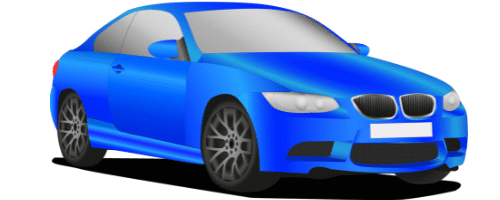
Choosing between diesel and petrol cars in 2025 is a key decision for car buyers, influenced by factors such as fuel prices, driving habits, environmental impact, maintenance costs, and resale value. Both types have evolved with new technologies and market shifts, so understanding their pros and cons in the current landscape helps buyers make informed choices suited to their needs.
What Are Diesel and Petrol Cars?
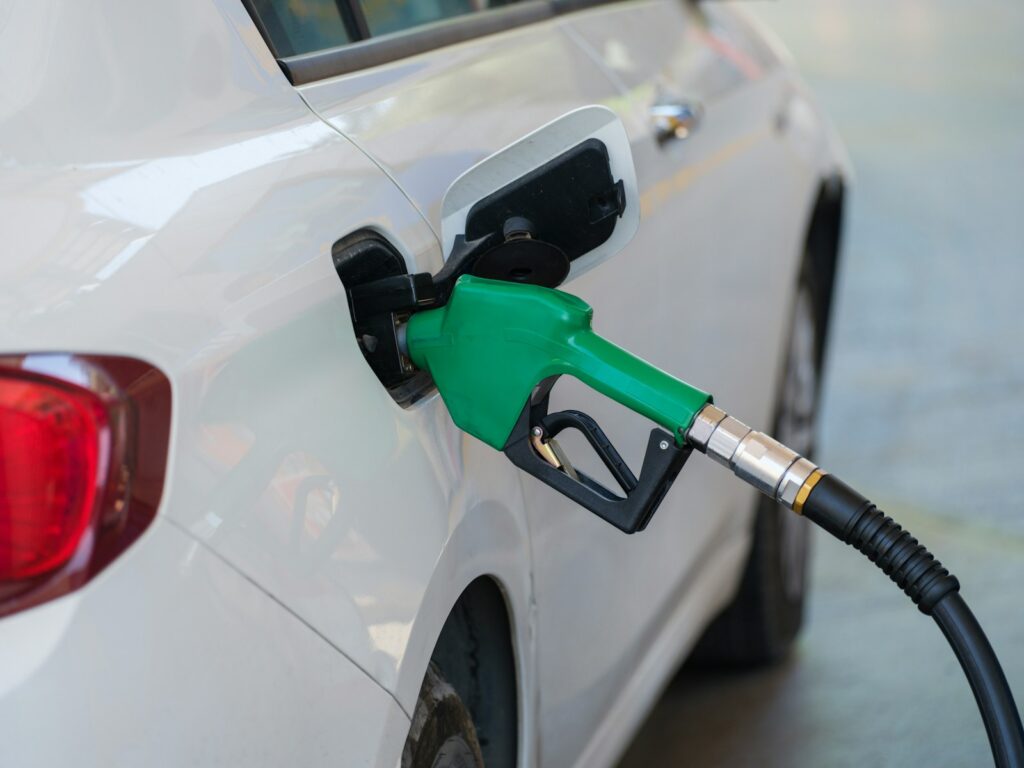
Diesel and petrol cars revolve around engines that run on different types of fuel—diesel and petrol (gasoline). Petrol engines use spark ignition to combust a fuel-air mixture, offering smoother and quieter operation, beneficial for city driving. Diesel engines work on compression ignition, which ignites fuel by compressing air to high pressures, producing more torque and better fuel economy—ideal for heavy loads and long-distance trips.
Technological advancements have blurred strict boundaries, with many hybrid models now combining petrol or diesel engines with electric motors. However, petrol and diesel remain dominant conventional fuel options for most buyers worldwide.
Upfront Costs and Purchase Price
Typically, petrol cars have a lower purchase price compared to diesel cars. The manufacturing and engine technology for petrol cars involve fewer complexities, making them affordable for budget-conscious buyers. Diesel cars usually come with a premium price tag because their engines are heavier, more robust, and technically complex to meet emission standards.
For buyers prioritizing cost-effectiveness at the time of buying, petrol cars offer an initial advantage. However, this cost difference can be offset by other factors like fuel economy and maintenance over time. Read more on purchase price considerations
Fuel Efficiency and Running Costs
Fuel efficiency is a fundamental factor to differentiate the two. Diesel engines generally provide better fuel efficiency than petrol engines, often achieving 20-30% higher mileage, making diesel cars more economical for those covering longer distances frequently.
While petrol fuel prices tend to be higher per liter compared to diesel, petrol cars consume more fuel, increasing running costs. Diesel cars’ better mileage helps reduce frequent refueling, especially beneficial for heavy users such as commercial vehicle operators and long-distance highway drivers.
However, diesel vehicles may incur slightly higher maintenance costs for components like diesel particulate filters and emission control systems. So, while diesel fuel costs less, maintenance must be factored in for a balanced cost analysis. More on fuel economy
Performance and Driving Experience
Petrol engines deliver smoother and quieter rides with quicker acceleration. Their higher revving characteristics make them ideal for city driving with frequent stop-go traffic, where responsiveness is essential. Petrol cars are favored for leisure driving, casual city commutes, and shorter daily distances.
Diesel engines produce higher torque at lower RPMs, delivering better pulling power ideal for towing or steep terrain. This makes diesel cars suitable for heavy-duty applications and highway driving, where steady power output matters. However, diesel engines usually have higher noise and vibration levels, though modern tech has greatly improved refinement.
If driving style involves frequent long journeys or carrying heavy loads, diesel cars offer better control and economy. Petrol cars suit buyers prioritizing comfort and ease in urban environments. Detailed performance comparison
Environmental Impact and Emissions
Environmental considerations are increasingly important in 2025. Petrol engines produce more carbon monoxide and carbon dioxide emissions but lower nitrogen oxides (NOx) and particulate matter compared to diesel engines. Diesel engines emit lower CO2 but can produce higher NOx and particulates, which contribute to local air pollution.
Recent diesel cars feature advanced emission control technologies like particulate filters and selective catalytic reduction systems to reduce pollutants substantially. Nevertheless, increasingly stringent regulations and urban emission zones have made some cities restrict diesel vehicle access.
Petrol cars generally have an edge in complying with urban pollution norms, but hybrids and electric vehicles are recommended for those focused on sustainability. Emission technologies and impact
Maintenance and Engine Longevity
Diesel engines tend to be more durable due to their robust build to withstand high compression, often lasting longer than petrol counterparts. However, diesel engines have more complex components, especially for emission control, leading to higher maintenance and service costs.
Petrol cars are simpler to maintain with cheaper spare parts and lower service charges. This appeals to owners looking for easy upkeep, especially if the vehicle is used primarily in city conditions with less intensive use.
Choosing between diesel and petrol from a maintenance perspective depends largely on usage patterns and willingness to manage upkeep costs. Insights on maintenance
Resale Value and Market Trends
In the Indian context and many other markets, diesel cars generally retain better resale value due to their longer engine life and better fuel economy. They appeal to a niche market of buyers looking for mileage and power.
However, with evolving regulations and growing concern about diesel emissions, petrol car demand is rising, particularly in urban areas. Petrol vehicles tend to depreciate faster but are easier to sell in most cities due to fewer regulatory restrictions.
Understanding local market trends and buyer preferences is crucial while considering resale value. More on resale trends
When to Choose Petrol Cars?
- If you mostly drive short distances or in city traffic
- Prefer lower upfront cost and easier maintenance
- Want a quieter, smoother ride with better acceleration
- Have limited yearly mileage (below 12,000 km annually)
- Are concerned about stricter diesel vehicle regulations in cities
When to Choose Diesel Cars?
- Frequently travel long distances or highway driving
- Need higher torque for towing or rough terrain
- Plan long-term vehicle ownership (5+ years)
- Want better fuel savings despite higher initial cost
- Use car for commercial or heavy-duty purposes
Alternatives: Hybrid and Electric in 2025
Hybrid and electric vehicles are rapidly gaining popularity, offering clean energy benefits and lower running costs. For environmentally conscious drivers, these are viable alternatives to petrol and diesel.
Hybrids combine internal combustion engines (petrol or diesel) with electric power for better efficiency. Fully electric vehicles (EVs) offer zero tailpipe emissions and reduced maintenance but require charging infrastructure.
Though petrol and diesel dominate still, considering electric or hybrid options can future-proof your investment amid evolving regulations. Electric vs Petrol comparison
Summary Table: Diesel vs Petrol Cars in 2025
| Aspect | Diesel Cars | Petrol Cars |
|---|---|---|
| Purchase Price | Higher upfront cost | Lower upfront cost |
| Fuel Efficiency | Better mileage, more economical for long drives | Lower mileage, costlier fuel consumption |
| Performance | Higher torque, better for heavy load and highway driving | Smoother, quicker acceleration, ideal for city |
| Maintenance Costs | Higher maintenance and service costs | Lower maintenance costs |
| Noise & Vibration | Noisier and more vibrations | Quieter and smoother |
| Engine Longevity | Longer lasting engines | Shorter lifespan |
| Environmental Impact | Higher NOx/particulate emissions, improved filters | Cleaner emissions, less NOx |
| Resale Value | Generally holds value better | Depreciates faster but easier urban resale |
| Best Use Case | Long-distance, commercial, high mileage users | City driving, short distances, budget-conscious buyers |
Conclusion
Choosing between diesel and petrol cars in 2025 comes down to individual needs, budget, driving patterns, and environmental concerns. Diesel cars are appealing for those who travel long distances regularly, need higher torque, or seek long-term ownership with fuel economy benefits. Petrol cars are more suited to urban commuters, offer a lower entry cost, and require less maintenance.
With growing attention to sustainability, considering hybrid or electric alternatives is also wise for future mobility. Buyers should weigh their priorities carefully while keeping an eye on fuel prices, regulations, and technological advancements before making a decision.
For more car reviews, buying guides, and the latest automotive trends, visit Car Insight Hub.
External Links for Reference:
- Petrol vs Diesel Cars: Which is Better for You in 2025? – SAMIL: https://www.samil.in/blog/petrol-vs-diesel-cars-which-is-better-105
- Petrol Vs Diesel Cars: Which Is Best For You In 2025? | NorthFleet: https://northfleet.in/petrol-vs-diesel-cars/
- Petrol vs Diesel Car: Which is Better in 2025 – ACKO Drive: https://ackodrive.com/car-guide/petrol-vs-diesel-car/
- Petrol vs Diesel Cars: Which Is Better for You – Garware Hi-Tech Films: https://www.garwarehitechfilms.com/paint-protection-films/blog/petrol-vs-diesel-car-which-one-to-buy
- Electric vs Petrol Cars: Which Is the Better Investment in 2025? – Zurich Kotak: https://www.zurichkotak.com/knowledge-center/car-insurance/electric-vs-petrol-car
- Diesel vs Petrol Used Car Resale Value in India (2025 Guide) – Cars24: https://www.cars24.com/article/diesel-vs-petrol-used-car-resale/
From my own personal experience
“I’ve personally noticed this while using my own car regularly in heavy city traffic. There was a time when I delayed a basic service by a few thousand kilometres, assuming it wouldn’t make much difference. Within weeks, the engine felt slightly rough and fuel efficiency dropped more than expected. A similar situation happened with a friend’s car as well, which clearly shows how small maintenance delays can impact long-term performance.”
References
- Society of Indian Automobile Manufacturers (SIAM)
- NITI Aayog Mobility Reports
- Economic Times Auto
- Government of India EV Portal (e-Amrit)
- Investopedia – Automobile Industry
Disclaimer: This article is published for general informational purposes based on research, observations, and owner experiences. It should not be considered professional, technical, or legal advice. Vehicle specifications, costs, and procedures may vary by model, location, and time. Readers are advised to verify details with official sources or qualified professionals before making decisions.
