Car Troubleshooting Guide: Common Problems and How to Fix Them
Every car owner faces vehicle troubles from time to time. Understanding common car problems and their solutions helps address issues quickly, saving time and money. This troubleshooting guide covers key symptoms, possible causes, and practical fixes.
1. Car Won’t Start
Symptoms: Engine does not crank or turns over slowly. Common Causes:
- Dead or weak battery.
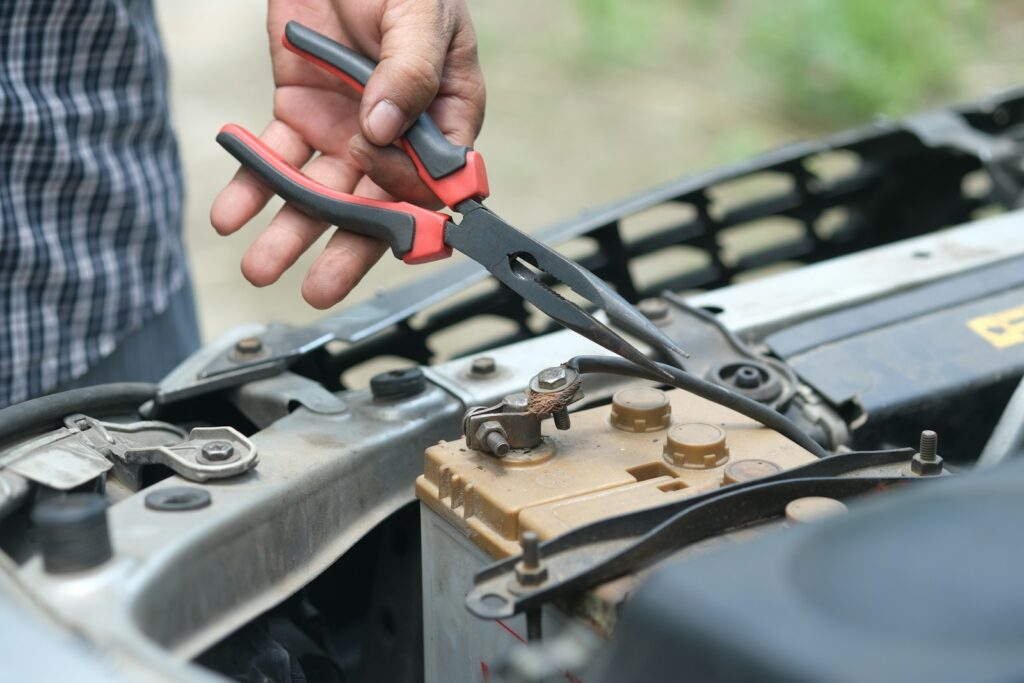
- Corroded or loose battery terminals.
- Faulty ignition switch.
- Starter motor failure.
- Empty or clogged fuel system.
Solutions:
- Jumpstart the battery using jumper cables or replace if old.
- Clean and tighten battery terminals.
- Test or replace the ignition switch or starter motor.
- Ensure sufficient fuel; check fuel pump and filter condition.
2. Engine Misfiring or Rough Running
Symptoms: Engine hesitation, popping sounds, reduced power, or vibrations.
Common Causes:
- Worn or dirty spark plugs.
- Faulty ignition coils or wires.
- Clogged fuel injector.
- Vacuum leaks.
Solutions:
- Inspect and replace spark plugs if fouled or worn.
- Test ignition components and replace as needed.
- Clean fuel injectors professionally.
- Repair vacuum leaks.
3. Overheating Engine
Symptoms: High temperature gauge, steam or coolant leaks. Common Causes:
- Low coolant level.
- Radiator leaks or clogged radiator.
- Malfunctioning thermostat or cooling fan.
Solutions:
- Check and top off coolant regularly.
- Repair leaks and flush radiator periodically.
- Replace faulty thermostat or cooling fan.
4. Brake Problems (Squeaking, Grinding, or Spongy Brake Pedal)
Symptoms: Noise when braking, reduced braking efficiency. Common Causes:
- Worn brake pads or shoes.
- Damaged or warped rotors.
- Low brake fluid or air in brake lines.
Solutions:
- Replace brake pads and resurface or replace rotors.
- Check brake fluid level and bleed air from the system.
- Get professional brake inspection for safety.
5. Poor Fuel Economy
Symptoms: Increased fuel consumption without change in driving. Common Causes:
- Underinflated tires.
- Dirty air filter.
- Faulty oxygen sensor.
- Misaligned wheels.
Solutions:
- Maintain proper tire pressure.
- Replace air filter regularly.
- Have oxygen sensors tested and replaced if needed.
- Get a wheel alignment service.
6. Electrical Issues (Lights Not Working, Blown Fuses)
Symptoms: Headlights, indicators, or interior lights malfunction. Common Causes:
- Blown fuse or relay.
- Loose or corroded wiring connections.
- Faulty bulbs or switches.
Solutions:
- Replace blown fuses or relays.
- Inspect and tighten wiring connections.
- Replace defective bulbs or switches.
Basic DIY Troubleshooting Steps
Visual Inspection: Check fluid levels, tire pressure, battery terminals, and belt conditions.
Listen and Feel: Pay attention to unusual noises, vibrations, or smells that help identify issues.
Use On-Board Diagnostics (OBD-II): Modern cars provide error codes via a port under the dashboard. Using an OBD-II scanner can diagnose many engine and system problems.
Consult Owner’s Manual: Manufacturer-specified troubleshooting tips and maintenance schedules are very helpful.
Safety First: For complex or dangerous repairs (brakes, fuel system, electrical wiring), seek professional assistance.
Quick-Reference Car Troubleshooting Chart
| Problem | Common Causes | Suggested Solutions |
|---|---|---|
| Car Won’t Start | Dead battery, loose terminals, faulty starter | Jumpstart or replace battery, tighten/clean terminals, test starter |
| Engine Misfires | Worn spark plugs, bad ignition coils, clogged injectors | Replace plugs/wires, clean injectors, check ignition system |
| Overheating Engine | Low coolant, radiator leaks, thermostat failure | Refill coolant, flush radiator, replace thermostat |
| Brake Noise or Failure | Worn brake pads/rotors, low brake fluid | Replace pads/rotors, check fluid and bleed brakes |
| Poor Fuel Economy | Underinflated tires, dirty air filter, faulty oxygen sensor | Inflate tires, replace air filter, service oxygen sensor |
| Electrical Failures | Blown fuses, bad bulbs, corroded wiring | Replace fuses/bulbs, clean wiring connections |
| Steering Issues | Low power steering fluid, worn belts | Top off fluid, replace belts |
| Strange Noises | Loose components, worn belts, suspension faults | Tighten parts, replace belts, inspect suspension |
From my own personal experience
“I’ve personally noticed this while using my own car regularly in heavy city traffic. There was a time when I delayed a basic service by a few thousand kilometres, assuming it wouldn’t make much difference. Within weeks, the engine felt slightly rough and fuel efficiency dropped more than expected. A similar situation happened with a friend’s car as well, which clearly shows how small maintenance delays can impact long-term performance.”
References
- Society of Indian Automobile Manufacturers (SIAM)
- NITI Aayog Mobility Reports
- Economic Times Auto
- Government of India EV Portal (e-Amrit)
- Investopedia – Automobile Industry
Disclaimer: This article is published for general informational purposes based on research, observations, and owner experiences. It should not be considered professional, technical, or legal advice. Vehicle specifications, costs, and procedures may vary by model, location, and time. Readers are advised to verify details with official sources or qualified professionals before making decisions.
