
Ensuring your vehicle is in peak condition requires regular attention and systematic care. In 2025, with increasing vehicle complexities and advancing technology, a well-structured car maintenance routine is essential for safety, performance, and long-term savings. This comprehensive guide provides a detailed monthly and yearly car maintenance checklist designed for all car owners, enriched with expert tips and external resources to keep your vehicle reliable and efficient.
Why Regular Car Maintenance Matters
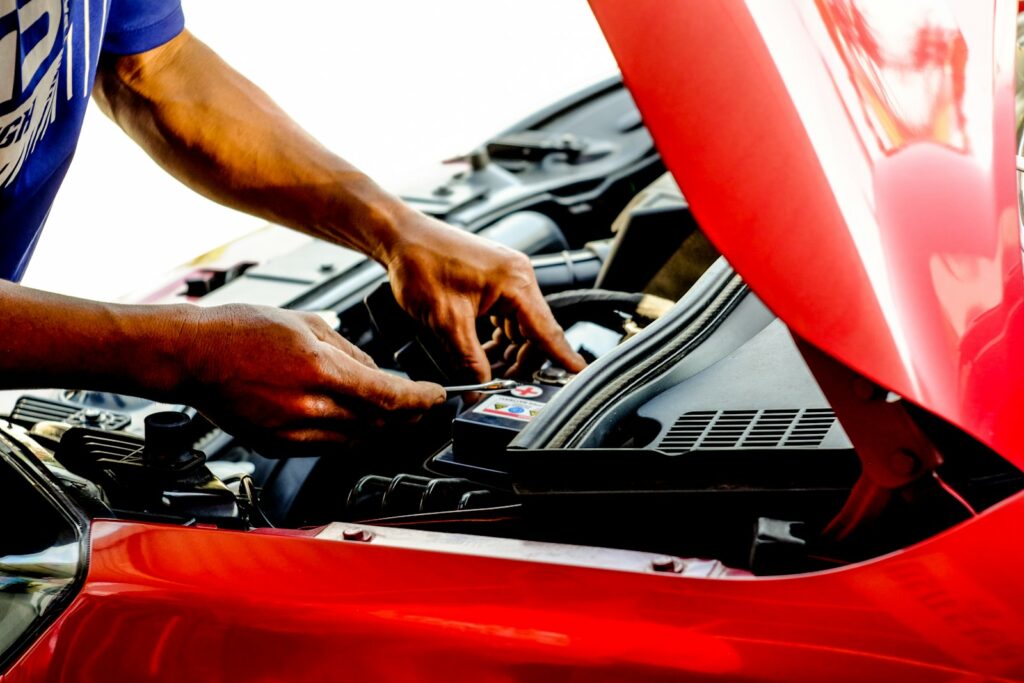
Car maintenance goes beyond just complying with service intervals; it preserves vehicle health, enhances fuel efficiency, reduces the risk of breakdowns, and ensures safety on the road. Ignoring routine checks and upkeep often leads to expensive repairs and unsafe driving conditions. Proactive maintenance is the key to extending your car’s lifespan and protecting your investment.
Monthly Car Maintenance Checklist
Performing simple checks monthly helps catch early signs of wear and potential issues:
1. Check Engine Oil Level and Condition
Ensure the engine oil is at the recommended level by using the dipstick. The oil should be clean and amber-colored; dark or sludgy oil indicates it’s time for a change.
2. Tire Pressure and Condition
Use a tire pressure gauge to maintain optimal tire pressure as per manufacturer specifications. Inspect for uneven wear, cracks, or embedded objects affecting safety.
3. Inspect Lights and Indicators
Check headlights, brake lights, turn signals, and hazard lights. All should illuminate properly with no flickering or dimness to maintain visibility and signaling.
4. Windshield Washer Fluid
Keep the washer fluid reservoir topped up for clear visibility during adverse weather conditions.
5. Test the Horn and Wipers
Ensure the horn sounds correctly and that wiper blades effectively clear the windshield without streaks or noises.
6. Check Coolant Level
Verify the coolant reservoir level and top up with the correct coolant mixture if needed to prevent engine overheating.
Quarterly (Every 3-4 Months) Car Maintenance Tasks
Every few months, deeper checks and small replacements become necessary:
1. Engine Oil and Oil Filter Change
Replacing the engine oil and oil filter every 8,000 to 10,000 km or as recommended by your vehicle manufacturer ensures proper lubrication and engine health.
2. Brake System Inspection
Check brake pads, discs, and brake fluid levels. Worn-out pads or low fluid can compromise braking performance and safety.
3. Battery Health and Terminals Check
Inspect battery terminals for corrosion and ensure the battery charges properly. Clean terminals and tighten connections as necessary.
4. Air Filter Inspection
Check the engine air filter for clogging from dust and debris. Replace if visibly dirty to maintain optimal engine breathing and fuel efficiency.
5. Tire Rotation and Alignment
Rotating tires prevents uneven tread wear, improving tire life and safety. Get wheel alignment checked if steering pulls left/right.
6. Check All Hoses and Belts
Inspect for cracks, fraying, or wear in belts and hoses attached to the engine. Replace any damaged components promptly.
Bi-Annual (Every 6 Months) Car Maintenance Guide
Twice yearly servicing covers more thorough inspections and part replacements:
1. Replace Cabin Air Filter
A clean cabin filter improves air quality and HVAC efficiency inside the car.
2. Flush and Replace Coolant
Coolant degrades over time so flushing and replenishing prevent overheating and corrosion within the cooling system.
3. Check Transmission Fluid
Inspect transmission fluid levels, color, and smell. Dirty or low-fluid levels warrant draining and refilling to protect transmission gears.
4. Inspect Suspension and Steering
Check shocks, struts, and steering components for wear or looseness to maintain ride comfort and safe handling.
5. Test the Exhaust System
Look for leaks, damage, and unusual noises affecting emissions and engine performance.
Annual Car Maintenance Checklist
A full yearly service keeps your car at peak form and includes professional inspection:
1. Comprehensive Engine Diagnostics
Mechanics perform an engine scan for error codes and inspect sensors for smooth operation.
2. Spark Plug Replacement
New spark plugs ensure efficient combustion and smoother engine start, typically recommended every 30,000 to 60,000 km.
3. Brake Fluid and Clutch Fluid Replacement
Old brake and clutch fluids absorb moisture leading to reduced responsiveness. Flush and renew for reliable performance.
4. Inspect and Replace Timing Belt (If Required)
Timing belt replacement intervals vary but typically fall between 60,000 to 100,000 km. A broken belt causes severe engine damage.
5. Full Tire Health Check and Replacement
Analyze tread depth using tools and check for punctures or damage. Replace tires when tread depth drops below 3 mm.
6. Battery Check and Replacement (If Needed)
Most car batteries last 3-5 years. Annual checks ensure it holds charge and performs consistently.
7. Air Conditioning Service
Clean or replace AC filters and check refrigerant levels to maintain cooling effectiveness.
8. Bodywork and Undercarriage Inspection
Look for rust, dents, and paint damage. Protect against corrosion especially if driving in harsh weather.
Seasonal Car Care Tips for India
Monsoon Prep
- Check windshield wipers and replace worn blades.
- Inspect brake system for optimum stopping power on wet roads.
- Ensure tires have good tread depth to prevent aquaplaning.
Summer Prep
- Test coolant and radiator efficiency.
- Check and recharge AC system.
- Monitor battery health as heat affects battery life.
Winter Prep
- Check engine oil viscosity for colder temperatures.
- Inspect heating system and defrosters for visibility and comfort.
- Ensure wipers and washer fluid function effectively to handle frost.
Additional Car Maintenance Best Practices
- Always use quality, manufacturer-recommended fluids and parts.
- Keep up-to-date records of all services and repairs.
- Address warning lights on the dashboard promptly.
- Use authorized service centers for complex repairs.
Why Digital Maintenance Tracking Helps
Apps like Autofy and others in 2025 help track servicing schedules, service history, warranty, and alerts, streamlining vehicle upkeep for busy owners.
Conclusion
Following a structured car maintenance checklist yearly and monthly enhances your car’s safety, efficiency, and resale value. Regularly performing these routine inspections and replacing worn components preemptively prevents major breakdowns and costly repairs. With growing vehicle complexities in 2025, combining DIY checks with professional servicing is the ideal approach.
For car owners in India and beyond, leveraging digital tools and trusted service workshops ensures your vehicle remains roadworthy, comfortable, and dependable for years.
External Resources and References
- The Ultimate Car Repair and Maintenance Checklist: https://autocarrepair.in/blog/the-ultimate-car-repair-and-maintenance-checklist/
- The Ultimate Car Maintenance Checklist for 2025 – Autofy: https://www.autofyapp.in/the-ultimate-car-maintenance-checklist-for-2025/
- How Often Should You Service Your Car? – Cars24: https://www.cars24.com/article/car-service-guide/
- How Regular Car Maintenance Saves You Money – GoMechanic: https://gomechanic.in/blog/how-regular-car-maintenance-saves-you-money-in-2024/
- Basic Car Maintenance Tips & Services Checklist – Autoism India: https://autoismindia.com/car-maintenance-tips-services-checklist/
From my own personal experience
“I’ve personally noticed this while using my own car regularly in heavy city traffic. There was a time when I delayed a basic service by a few thousand kilometres, assuming it wouldn’t make much difference. Within weeks, the engine felt slightly rough and fuel efficiency dropped more than expected. A similar situation happened with a friend’s car as well, which clearly shows how small maintenance delays can impact long-term performance.”
References
- Society of Indian Automobile Manufacturers (SIAM)
- NITI Aayog Mobility Reports
- Economic Times Auto
- Government of India EV Portal (e-Amrit)
- Investopedia – Automobile Industry
Disclaimer: This article is published for general informational purposes based on research, observations, and owner experiences. It should not be considered professional, technical, or legal advice. Vehicle specifications, costs, and procedures may vary by model, location, and time. Readers are advised to verify details with official sources or qualified professionals before making decisions.
