
With rising fuel prices and increased environmental awareness in 2025, saving fuel during daily driving has become a priority for many motorists. Small changes in driving habits and vehicle maintenance can lead to significant fuel savings, reduce carbon footprint, and improve overall car performance. This detailed guide shares the top 10 practical and expert-backed tips to save fuel in everyday driving, suitable for Indian roads and applicable for most vehicles.
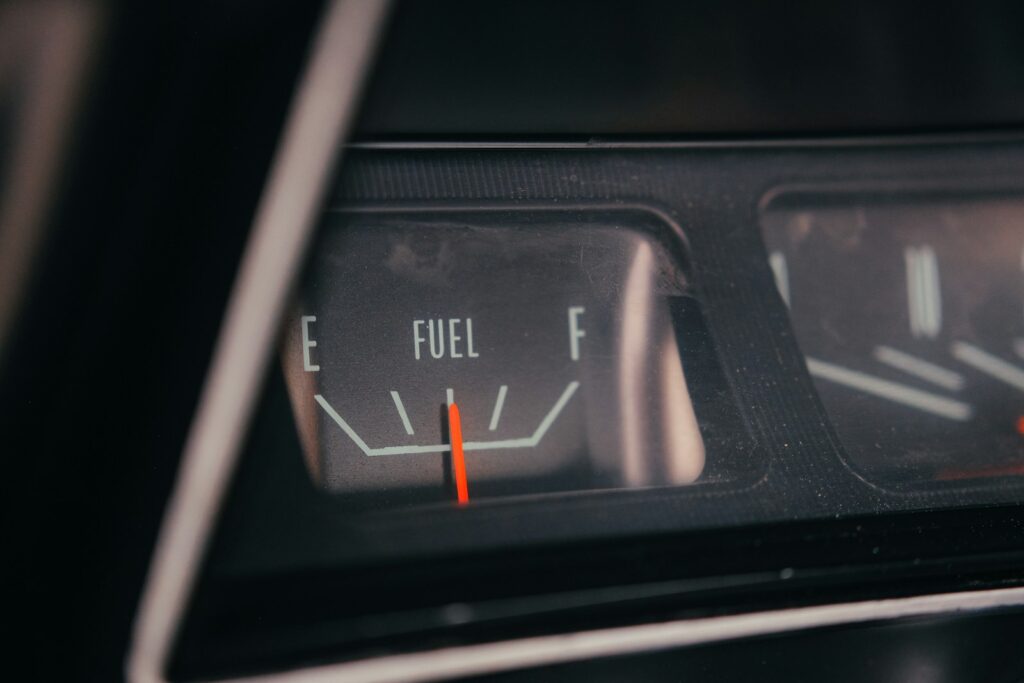
1. Drive Smoothly and Avoid Aggressive Acceleration
Rapid acceleration and sudden braking cause engines to work harder, consuming more fuel. Maintain a steady speed by gradually pressing the accelerator and anticipating traffic flow to avoid unnecessary stops. Smooth driving prolongs engine life and improves mileage significantly.
According to ICICI Lombard’s advice, easing up on the gas pedal and maintaining consistent speeds can reduce fuel consumption and make your drive more relaxing and fuel-efficient. Learn more from ICICI Lombard
2. Maintain Optimal Tire Pressure
Under-inflated tires increase rolling resistance, making engines exert extra effort and consume more fuel. Check tire pressure every two weeks and keep it at manufacturer recommended levels. Properly inflated tires also extend tire life and enhance safety.
Apollo Tyres advises maintaining tire pressure to maximize fuel economy and avoid unexpected blowouts. Fuel Efficiency Tips from Apollo Tyres
3. Avoid Excess Weight and Remove Unnecessary Load
Carrying heavy luggage or unnecessary items adds extra weight, decreasing fuel efficiency. Clear out your trunk and cabin space regularly to lighten the load. Every 45 kg of additional weight can reduce mileage by about 1-2%.
Shell points out that “every extra pound or kilogram matters” for fuel efficiency and encourages keeping the vehicle light for cost-effective driving. Shell’s Fuel Saving Tips
4. Turn Off Engine During Idling
Idling wastes fuel without moving the car. If stopped for more than 10 seconds, switch off the engine, especially at traffic lights, railway crossings, or long queues. Some modern cars have start-stop technology to automate this.
Research indicates turning off the engine when idle can save significant fuel over time. More on idle time and fuel saving
5. Use Air Conditioning Wisely
Air conditioning can increase fuel consumption as it draws power from the engine. Use AC sparingly, especially at lower speeds. When possible, roll down the windows for ventilation. In hot weather, use the AC at moderate settings rather than max to balance comfort and fuel efficiency.
ICICI Lombard recommends setting air conditioning at comfortable but moderate levels to save fuel. Related tips
6. Avoid High Speeds and Maintain Steady Pace
Driving at very high speeds dramatically increases fuel usage due to air resistance and engine load. Maintain speeds within 50-80 km/h for optimum mileage on highways and city roads. Use cruise control on highways to keep a steady speed and prevent unnecessary acceleration.
Work Studio highlights optimal speeds for fuel efficiency and advocates slow acceleration and smooth driving. Check Work Studio’s guide
7. Regular Vehicle Maintenance
Keeping the engine tuned, changing oil timely, replacing air filters, and checking spark plugs ensure efficient combustion and fuel flow. Well-maintained cars perform better on fuel economy and reduce emissions.
GoMechanic emphasizes that small maintenance tasks save money on fuel and prevent costly repairs. GoMechanic fuel-save tips
8. Plan Your Journeys and Combine Trips
Efficient trip planning avoids congested routes and reduces driving time. Combining errands into fewer trips keeps the engine warm and avoids cold starts, which use more fuel. Avoid driving during peak traffic hours when stop-start conditions increase consumption.
Neodrift advises journey planning and route optimization to minimize fuel use. Route and driving advice
9. Use the Correct Gear and Shift Smoothly
Driving in the highest gear possible without overloading the engine reduces revolutions per minute (RPM), saving fuel. Avoid pushing the engine to redline and shift up gears early. In manual cars, avoid low gears for longer than necessary.
Esso fuel-saving advice highlights gear shifting as a crucial driver of fuel economy. Esso tips
10. Avoid Using Roof Racks and Open Windows at High Speed
External attachments like roof racks, carriers, or open windows increase aerodynamic drag, forcing engines to consume more fuel at higher speeds. Remove unnecessary external accessories and keep windows up once moving above city speeds.
Shell recommends minimizing drag for better fuel economy. Aerodynamics and fuel consumption
Summary Table of Top 10 Fuel Saving Tips
| Tip Number | Tip | Key Benefit |
|---|---|---|
| 1 | Drive smoothly | Reduce aggressive acceleration fuel use |
| 2 | Maintain tire pressure | Optimize rolling resistance |
| 3 | Remove unnecessary weight | Lower vehicle load reduces consumption |
| 4 | Turn off engine idling | Save fuel during stops |
| 5 | Use AC moderately | Minimize extra engine load |
| 6 | Keep optimal speed (50-80 km/h) | Less air resistance, smoother engine |
| 7 | Regular maintenance | Efficient combustion and part health |
| 8 | Plan and combine trips | Decrease total driven distance |
| 9 | Shift gears smoothly and early | Lower RPM, fuel savings |
| 10 | Avoid roof racks & open windows | Reduce aerodynamic drag |
Additional Practical Tips
- Use ethanol-blended fuel as recommended to aid cleaner combustion.
- Share rides or carpool to distribute fuel costs.
- Keep windows clean for better visibility and compliance with safety.
- Monitor fuel consumption via car’s onboard computer for trend tracking.
Conclusion
Fuel-saving is not just about reducing your expenses but also about responsible driving that helps the environment. By incorporating these top 10 tips into daily driving, Indian motorists in 2025 can achieve better mileage, lower emissions, and smoother drives. From smoother accelerating to smart vehicle upkeep, these small habits add up to substantial savings over time.
For further expert advice, detailed guides, and the latest car tips, visit Car Insight Hub.
External Links and References
- Tips to Save Fuel While Driving – ICICI Lombard: https://www.icicilombard.com/blogs/car-insurance/car/tips-to-save-fuel-while-driving
- 11 Fuel Saving Tips Every Driver Should Follow – Cyrrup: https://www.cyrrup.com/11-fuel-saving-tips-every-driver/
- 10 Best Fuel Saving Tips for Motorists – Motor Match: https://www.motormatch.com/blog/10-best-fuel-saving-tips-for-motorists/
- Top 10 Best Fuel Saving Tips in 2025 – Shell Kenya: https://www.shell.co.ke/motorists/motoring-tips-and-advice/10-fuel-saving-tips.html
- How to Become Fuel Efficient – Apollo Tyres: https://www.apollotyres.com/en-in/stories/blogs/tyre-guides/rising-fuel-driving-up-your-expenses/
