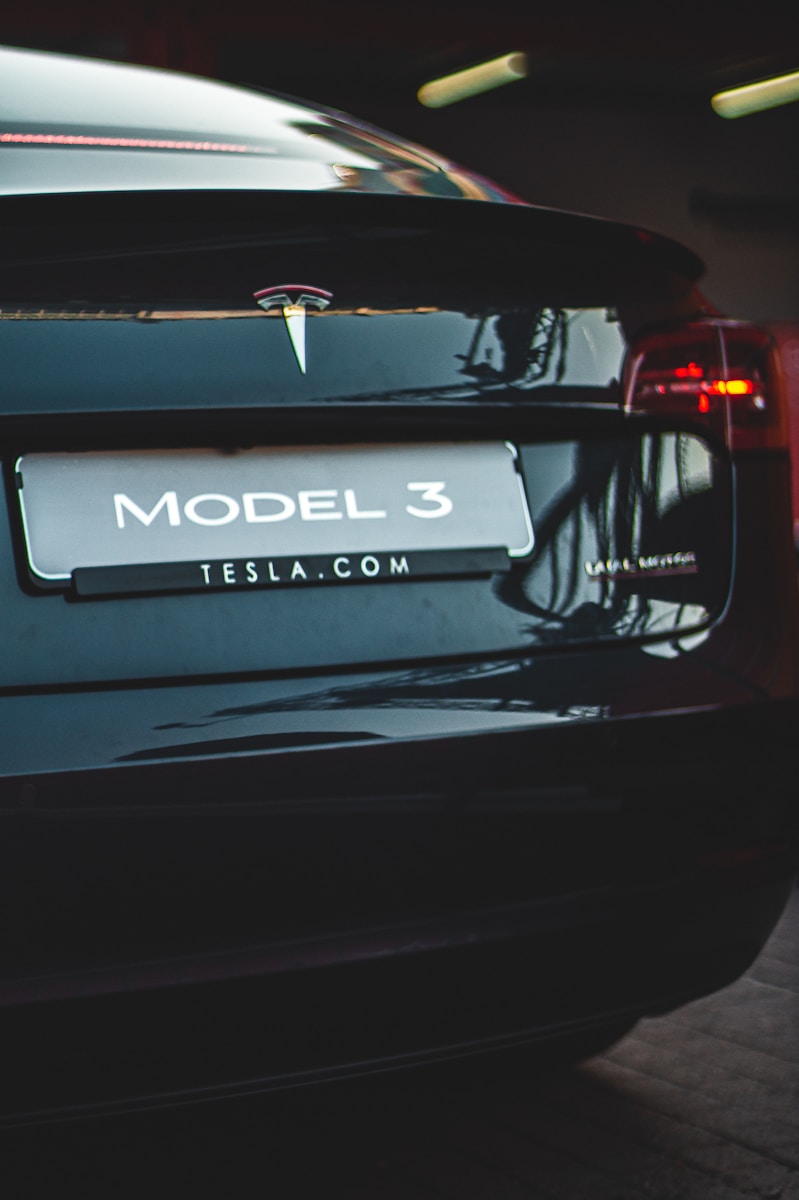
The Tesla Model 3, originally launched as a compact electric sedan, is acclaimed for its sporty driving dynamics, minimalist but tech-forward interior, and excellent battery range. It is Tesla’s most affordable model and appeals to drivers seeking a sleek sedan experience combined with EV efficiency.
The Tesla Model Y, a compact all-electric SUV, shares around 75% of its components with the Model 3 but offers a more spacious and practical design. Thanks to its taller stance and hatchback configuration, it is ideal for families or those needing additional cargo and passenger space. The Model Y is slightly more expensive but compensates with versatility.
Exterior Design and Dimensions
The Model 3 sports a low-slung, aerodynamic sedan silhouette characterized by clean lines, a sloping roof, and flush door handles. It is sleek and sporty, well suited to buyers prioritizing style and sporty handling on city and highway roads.
In contrast, the Model Y looks more like a modern compact SUV with a taller roofline, higher ground clearance, and a rear hatch for easier cargo access. It blends SUV practicality with Tesla’s distinctive design language and provides a commanding view on the road.
Key dimensions comparison:
| Feature | Tesla Model 3 | Tesla Model Y |
|---|---|---|
| Length | ~4,694 mm | ~4,750 mm |
| Width (without mirrors) | ~1,849 mm | ~1,920 mm |
| Height | ~1,443 mm | ~1,623 mm |
| Wheelbase | ~2,875 mm | ~2,890 mm |
| Ground Clearance | ~140 mm | ~167 mm |
The Model Y’s additional height and width translate to more headroom and shoulder room inside, as well as better cargo capacity.
Interior and Space
Tesla Model 3 Interior
The Model 3 follows a minimalist aesthetic, dominated by a large 15-inch central touchscreen controlling almost all vehicle functions. The cabin exudes a futuristic vibe with clean surfaces and limited physical buttons. Seats are supportive and comfortable, but space is typical of a midsize sedan — enough for five passengers but tighter rear legroom relative to an SUV.
Tesla Model Y Interior
The Model Y maintains the minimalist Tesla interior but with more space for passengers. It offers optional third-row seats for a 7-passenger configuration, though the third row is best suited for children or shorter trips. Second-row legroom is notably better than the Model 3, and cargo space expands dramatically with rear seats folded.
The panoramic glass roof in both cars adds a sense of openness, enhancing cabin ambiance. Rear passengers in the Model Y benefit from slightly better visibility and comfort on longer journeys.
Performance and Driving Experience
Both models share Tesla’s Electric Powertrain technology with instant torque and smooth acceleration. Configuration options affect power and range, from rear-wheel drive base models to dual-motor all-wheel-drive Long Range and Performance trims.
| Specification | Tesla Model 3 Long Range RWD | Tesla Model Y Long Range AWD | Tesla Model 3 Performance | Tesla Model Y Performance |
|---|---|---|---|---|
| Power (hp) | ~283 | ~384 | ~510 | ~480 |
| 0-100 km/h Acceleration | ~5.1 seconds | ~4.8 seconds | ~3.3 seconds | ~3.7 seconds |
| Top Speed | 233 km/h | 217 km/h | 261 km/h | 240 km/h |
| Range (EPA est.) | ~358 miles (576 km) | ~330 miles (531 km) | ~315 miles (507 km) | ~303 miles (488 km) |
The Model 3 is lighter with a lower center of gravity, resulting in slightly more agile handling and a sportier feel. The Model Y, while less sharply tuned, benefits from SUV practicality without sacrificing too much in ride comfort or acceleration.
Range and Charging
The Model 3 generally leads its sibling in range due to better aerodynamics and lower weight. The Long Range Model 3 variant can cover approximately 358 miles (576 km) per full charge as per EPA estimates, compared to about 330 miles (531 km) for Model Y Long Range.
Both vehicles support Tesla’s highly regarded Supercharger network enabling fast DC charging across thousands of global locations, helping alleviate range anxiety.
Technology and Features
Both Model 3 and Model Y share Tesla’s renowned technology suite, characterized by:
- 15-inch touchscreen interface with frequent over-the-air software updates adding features and improvements.
- Tesla Autopilot advanced driver assistance system, with options to upgrade to Full Self-Driving capability that includes automated navigation, lane changes, and parking.
- Premium audio system and integrated streaming services.
- Minimalist cabin with high-quality materials (though some reviews mention fit and finish can be uneven).
- Mobile app functionality for remote vehicle monitoring and controls.
The Model Y offers additional flexibility with optional third-row seating and a versatile hatchback configuration providing enhanced cargo management like fold-flat seats and higher storage capacity.
Safety
Both vehicles have earned top safety ratings worldwide:
- Tesla Model 3 received a 5-star rating from NHTSA and excellent IIHS scores.
- Tesla Model Y also scores highly for crash safety due to its reinforced structure and multiple active safety technologies.
Tesla’s active safety suite includes features like collision avoidance, automatic emergency braking, and adaptive cruise control as standard.
Pricing and Value
Pricing varies by market and trim; however, in 2025 the indicative starting MSRP (before incentives) in USD approximates:
- Tesla Model 3: $42,000 – $55,000 (depending on variant)
- Tesla Model Y: $50,000 – $65,000
The Model Y commands a premium primarily for increased size, practicality, and available extra seating. Buyers must decide how much space and flexibility they require, especially for family use or cargo.
Ownership and Maintenance
Tesla offers an excellent warranty and low-maintenance ownership compared to internal combustion vehicles. Free software updates keep vehicles current on features and safety. The electric platform means fewer moving parts and less frequent servicing than traditional vehicles.
Summary: Which to Choose?
- Choose the Tesla Model 3 if:
- You want a sporty, elegant electric sedan with longer range.
- You prefer sharper handling and a lower, more aerodynamic profile.
- Rear seat space is less critical, and you prioritize price.
- Choose the Tesla Model Y if:
- You need extra interior room, cargo capacity, or optional third-row seating.
- You want the practicality of an SUV with hatchback versatility.
- You value ease of access, a higher seating position, and a family-friendly layout.
External Links for Further Reading
- Official Tesla Model 3 page: Tesla Model 3
- Official Tesla Model Y page: Tesla Model Y
- In-depth review and comparison by CarWow: Tesla Model 3 vs Tesla Model Y
- 2025 Tesla Model 3 review from Car and Driver: Car and Driver Model 3 Review
- 2025 Tesla Model Y review by Top Gear: Top Gear Model Y Review
